
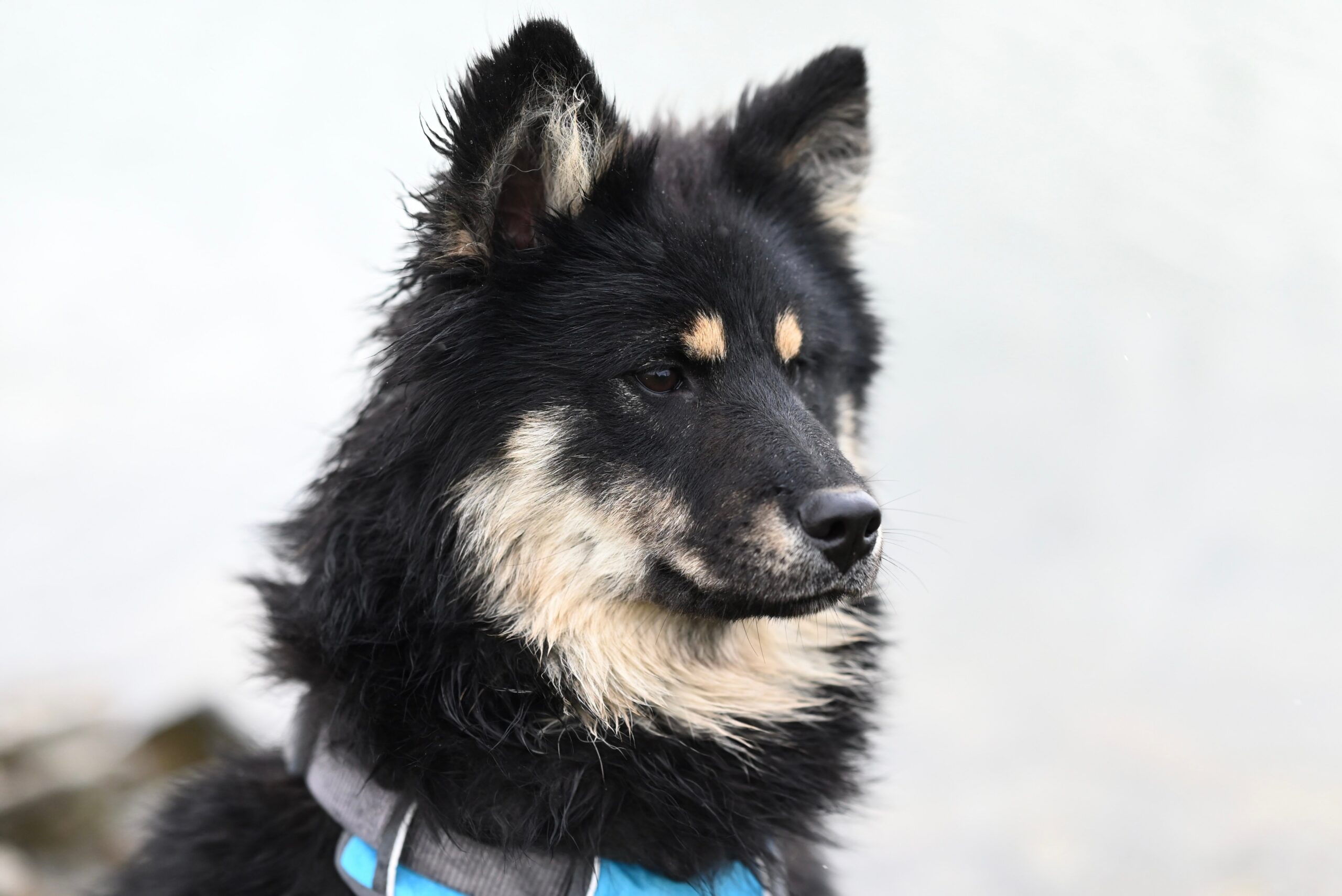

If your dog is barking and lunging on walks, every outing can feel stressful and unpredictable. Maybe you have experienced some of these feelings with your reactive dog:
“I feel embarrassed by my dog’s behavior”
“People are judging me for having a dog who acts like this”
“I’m worried this is a slippery slope and he’s only going to get worse”
If you know your dog has an issue with reacting at triggers in their environment, also called, “reactivity” now is the time to take action.
Your dog’s reactivity will not get better with time, instead these habits will become solidified and they will continue to associate triggers with fear, frustration, and general upset. In turn, leading to more reactivity over time.
Why is my dog barking and lunging on walks?
Reactivity is typically a mix of frustration (I want to greet that dog but I can’t because I am on a leash!”), anxiety, fear, sensitivity to movement, and upset. It can occur many times per day, each time the dog’s trigger comes into view. It can can also occur only intermittently.
Reactive behavior happens on leash walks, when dogs see people/dogs passing from inside the house, at fences, or while riding in the car.
Common triggers are: Other dogs, strangers, men, people carrying things, children, moving vehicles, scooters, bikes, loud sounds.
Start Preventing Reactions Before They Happen
But here’s the good news:
you don’t have to wait for a reaction to start making progress.
In fact, the biggest breakthroughs happen when you learn how to step in before your dog goes over threshold.
That’s exactly what this cheat sheet will help you do—and it’s the same foundation we use in our reactive dog training in York, PA.
Inside, you’ll learn:
✔️ How to spot the early warning signs before your dog reacts
✔️ Simple ways to manage the environment so your dog can stay calm
✔️ What to do in the moment to prevent barking and lunging
No complicated training plans.
No harsh corrections.
Just practical, reward-based strategies you can start using today, whether you’re working on your own or alongside a dog behaviorist in York, PA.
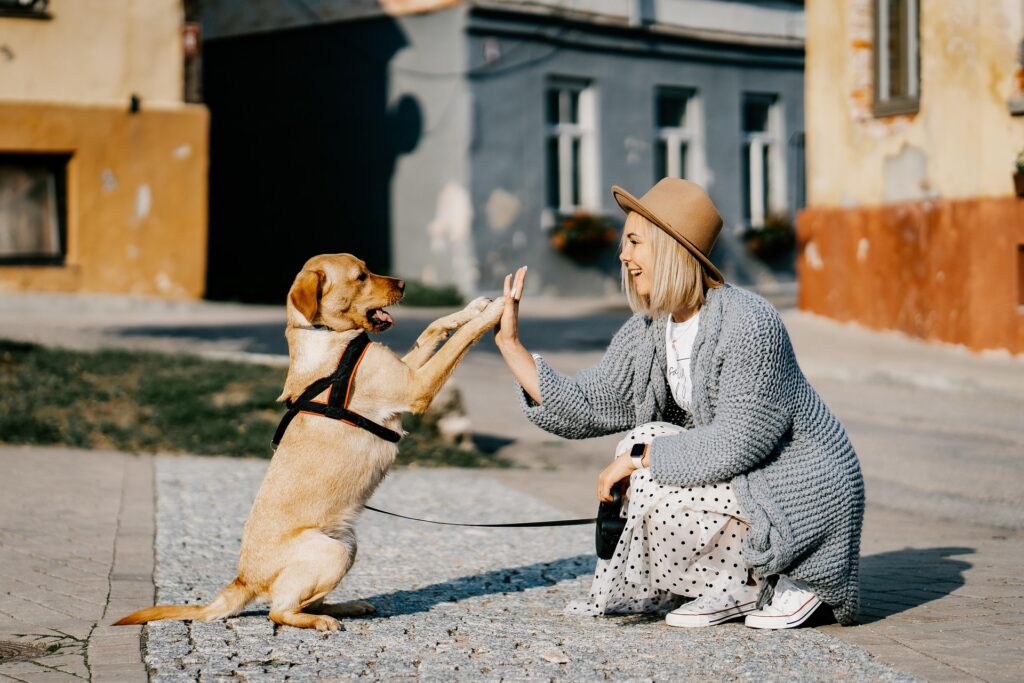
Download Your Free Reactivity Prevention Cheat Sheet
If you’re ready for calmer walks and a dog who feels more at ease in the world, grab your free guide here:
👉 [Download the Free Cheat Sheet]
You’re not a bad dog owner.
And your dog isn’t broken.
They just need the right support—and it starts with understanding how to prevent reactions before they begin.
If you’re local and want hands-on help, with reactive dog training in York, PA you can get started with training right here. And if you’re not, this guide is the perfect place to start.
Leave a Reply
feeling frustrated with your dog's behavior on walks?
tired of stressful, reactive walks?
you need this free guide!


